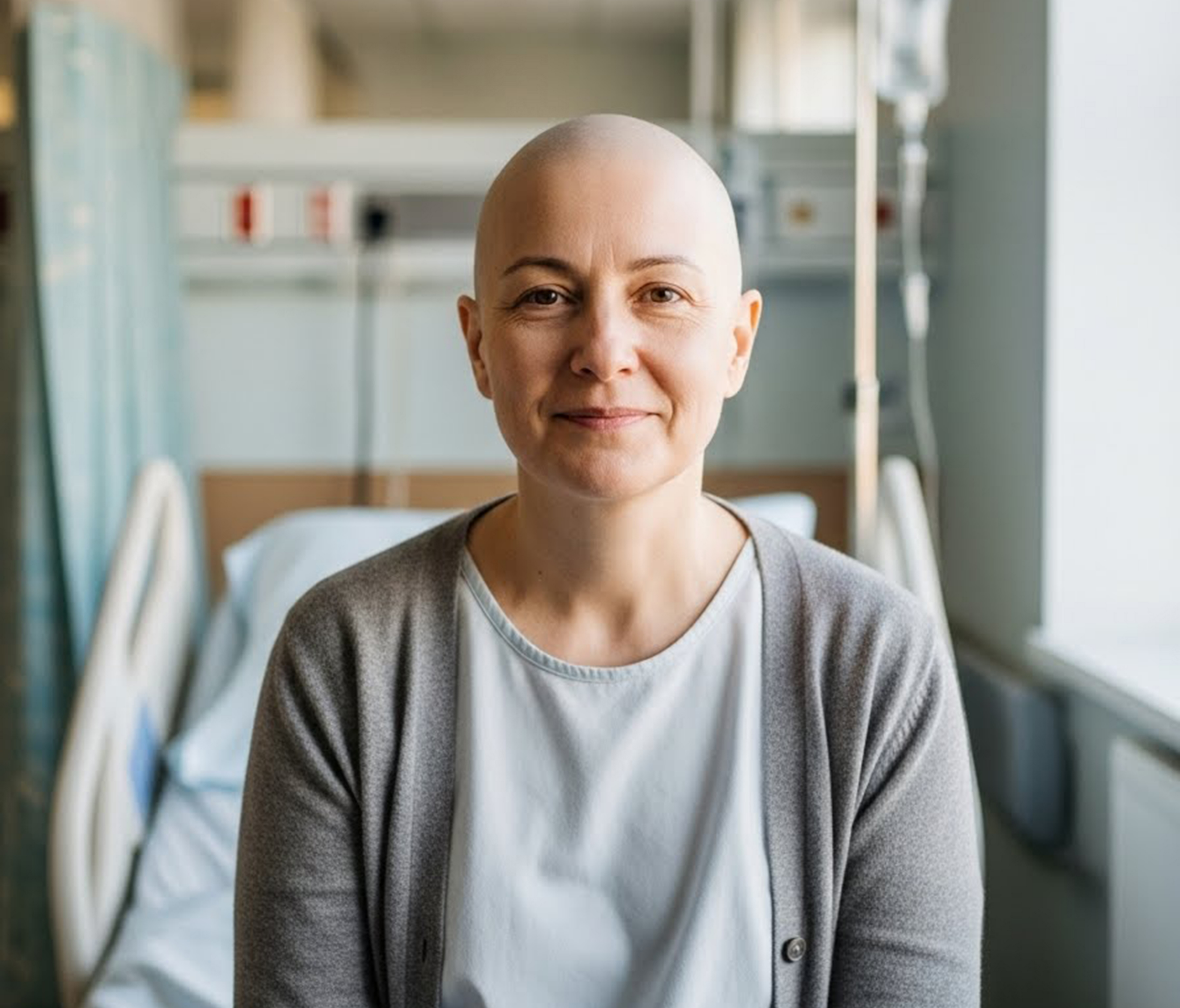
Harnessing cancer genomics to identify new targets and develop new therapies for cancers of unmet need
The Cancer Cell Signaling and Therapeutics (CCST) Lab integrates genomics, chemistry, and biology to develop targeted treatments for cancers with urgent unmet need. By identifying the genetic vulnerabilities that rare cancers depend on, we design innovative therapeutics aimed at delivering more effective, less toxic options for patients.



Our Mission
Developing more effective, less toxic cancer therapies for patients facing cancers of unmet need
The mission of the Cancer Cell Signaling and Therapeutics Lab is to uncover the molecular drivers of cancers that currently lack effective treatment options and translate these discoveries into targeted therapies. By identifying new biological vulnerabilities, the lab works to move beyond traditional one-size-fits-all approaches toward more precise, personalized cancer treatment strategies.
At the core of the lab’s vision is a commitment to improving both survival and quality of life for patients. The team develops innovative therapeutic approaches — including small molecules, degraders, and antibody-drug conjugates — designed to treat cancer more effectively while reducing the toxic side effects often associated with conventional therapies.
Ultimately, the CCST Lab aims to bridge the gap between scientific discovery and clinical impact. By advancing promising targets from early discovery through therapeutic development, the lab strives to bring new treatment options to patients with cancers of unmet need and create a future where cancer care is both more effective and more humane.
Featured publications
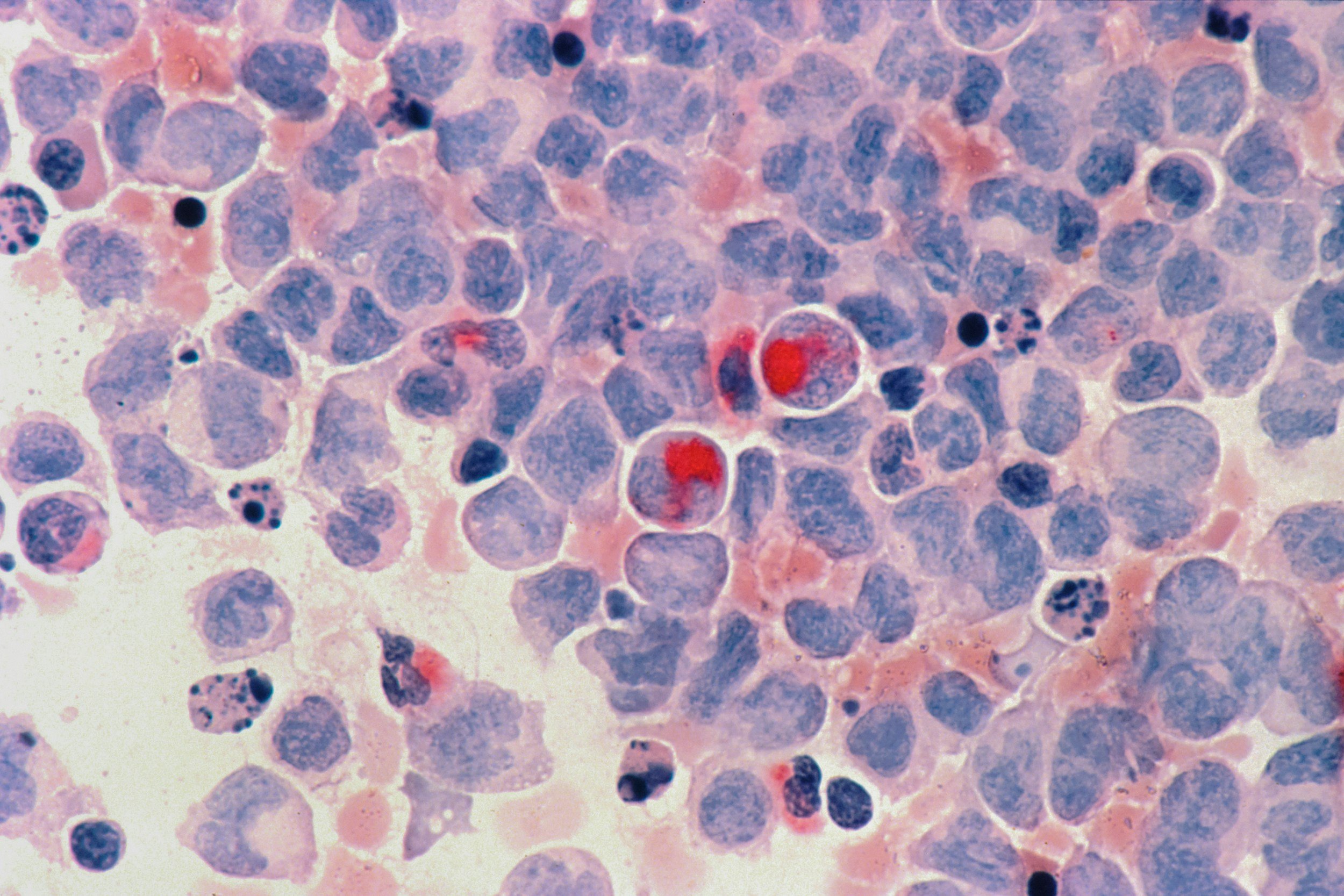

Our Process
Advancing precision cancer therapies from discovery to the clinic
We uncover genetic vulnerabilities that drive cancer growth, design compounds to precisely target them, and move the most promising candidates through preclinical development. Our work is grounded in rigorous science and driven by a commitment to improve outcomes for patients facing cancers with few options.
Find the right target
Create and refine treatment
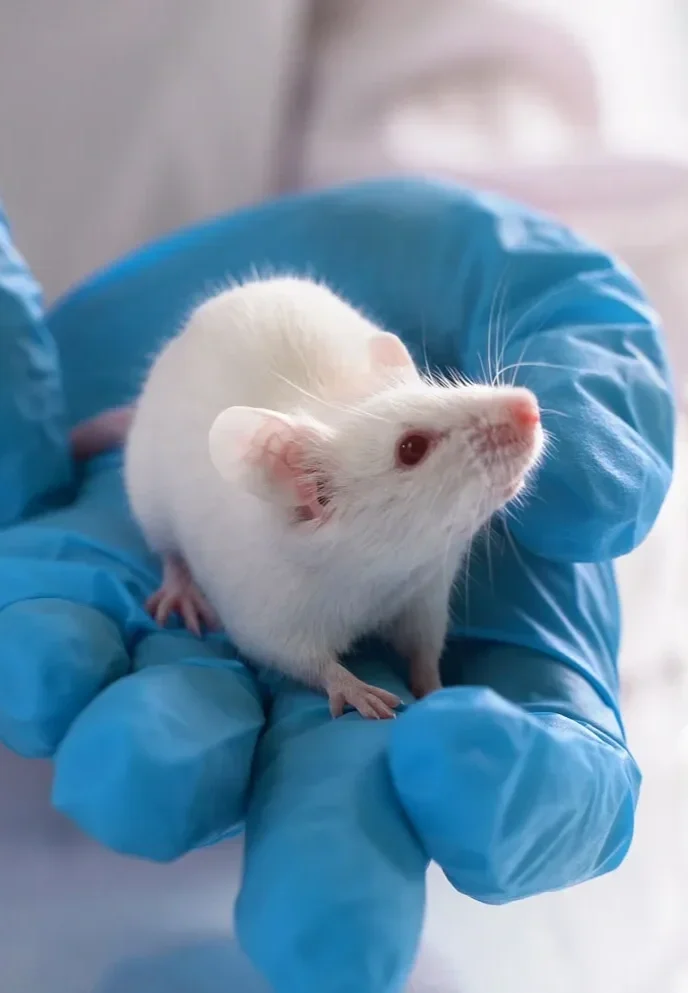
Test in living systems

Move toward
human trials
Why This Work Matters
Translating genetic discovery into real-world impact for patients
Patients facing lung, ovarian, and other hard-to-treat cancers often have limited therapeutic options. By harnessing cancer genomics to pinpoint the genetic drivers that tumors depend on, the CCST Lab works to develop smarter, more targeted treatments designed to reduce toxicity and expand hope where it’s needed most.